The bed looked great in April and by August the mulch has vanished down the slope, or the pine needles have matted into a gray layer that sheds water like a roof. Around Waxhaw, the mulch-versus-pine-needles argument runs through every neighborhood, and most bed failures get blamed on the material when the real cause is a mismatch: the right material in the wrong place, or a good installation left unrefreshed past its working life.
This troubleshooting guide starts from the symptom you are looking at, works to the likely cause, and ends with the fix, including the point where reworking a bed stops being a weekend job. Both materials work in the Carolina Piedmont. They simply work on different terms.
Symptom: the bed covering keeps sliding downhill
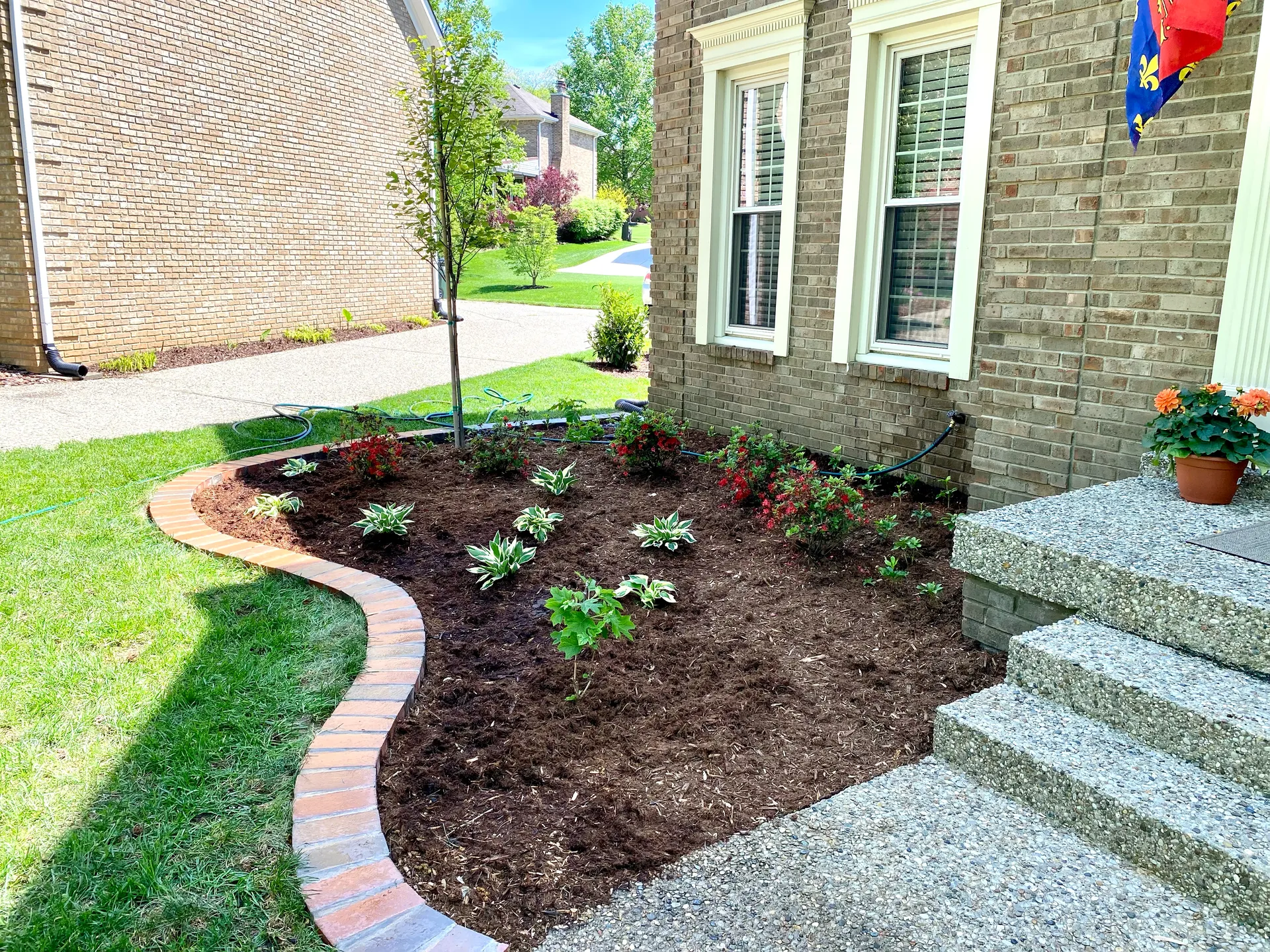
On a slope, shredded hardwood mulch migrates with every heavy thunderstorm, ending in a pile at the bottom and bare soil at the top. Pine needles interlock as they settle, which is why they are the traditional Carolina answer on banks and under pines. If your mulch washes, the cause is usually grade plus water flow, not a bad product. The fix ranges from switching that bed to needles, to cutting a proper edge trench that catches migration, to addressing the downspout or runoff path that is firing water through the bed in the first place.
Symptom: water beads and runs off instead of soaking in
Old pine needle layers mat down and can shed water when they get thick and weathered, and old mulch can form a similar crust, especially fine shredded material that has compacted. The test is simple: pour a bucket of water slowly on the bed and watch. If it sheets off, the layer needs to be fluffed, thinned, or partially removed before anything new goes on. Topping a matted bed with fresh material makes the problem prettier and worse at the same time.
- Identify the symptom precisely. Migration, matting, fading, and bare soil each point to a different cause and a different fix.
- Check the depth before adding. Beds want roughly two to three inches total. Measure what is there; many beds need removal or fluffing, not more material.
- Fix water flow first. Redirect downspouts and runoff paths that cut through the bed, or any covering will fail the same way.
- Match material to the site. Needles for slopes and under pines; mulch for flat, edged beds and a more formal look near entries.
- Refresh on schedule. Needles typically need a fresh layer once or twice a year; mulch usually once a year, with fluffing between to restore color and texture.
- Know the handoff point. Full-bed renovation, re-edging, and hauling in bulk material across a whole property is where a crew with equipment finishes in hours what takes a homeowner weekends.
Symptom: the color fades by midsummer
Both materials gray out under Piedmont sun and rain; mulch usually fades faster and more visibly. Fading alone is cosmetic, and the cheapest fix is fluffing mulch with a rake to expose the darker material underneath. Needles refresh in thinner, lighter layers, which makes their upkeep more frequent but each round lighter. The decision that matters is refreshing versus replacing. Material only needs full replacement when it has matted, grown full of soil and weed seed, or built up far past the right depth. Otherwise you are paying to haul away working material.
The honest comparison
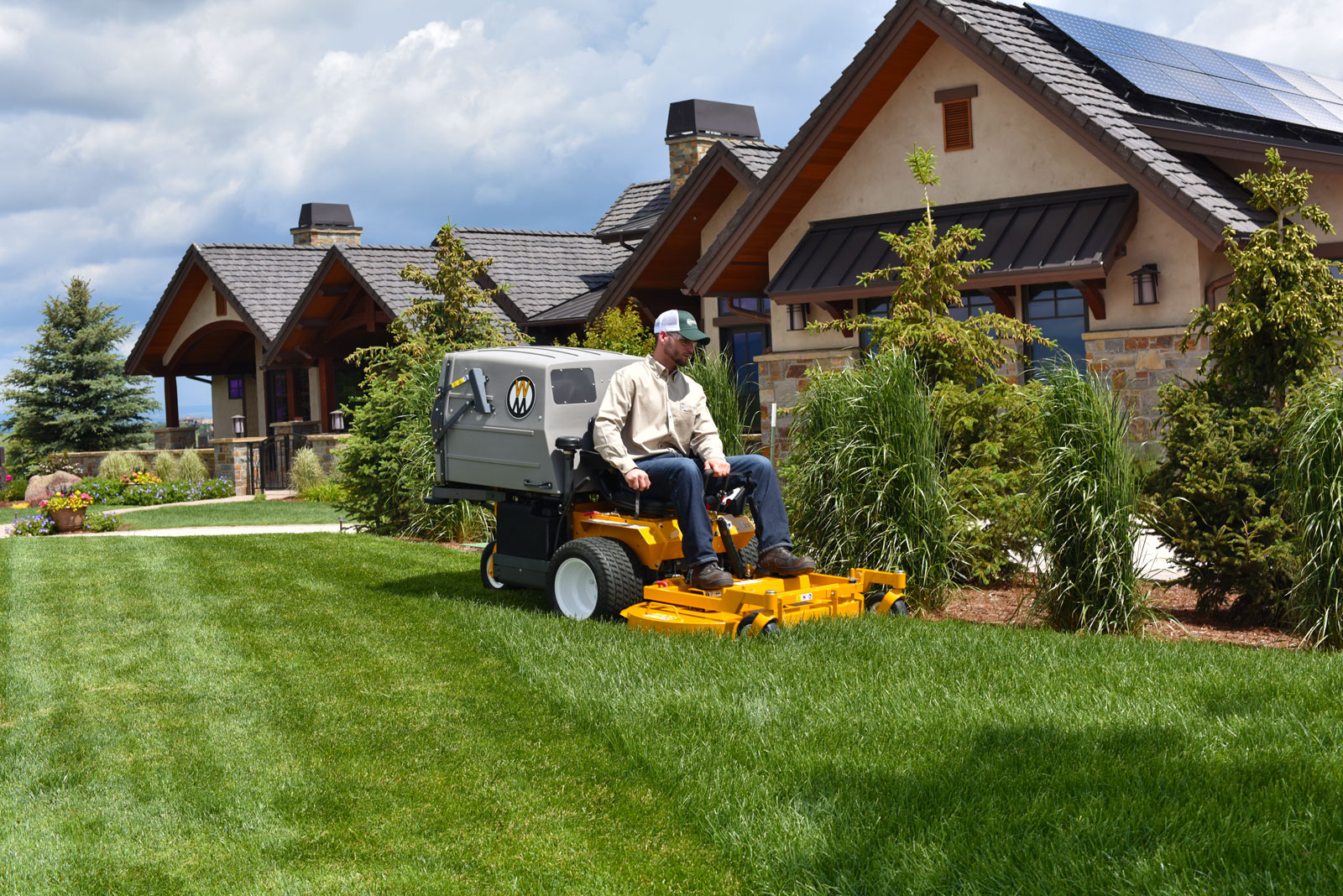
Mulch gives a darker, more uniform look, holds moisture well on flat beds, and breaks down into the soil over time, which beds appreciate. Pine needles are lighter to spread, stay put on slopes, are easy to top up, and suit the natural look under the pines so common in Waxhaw yards. Needles also drop free from your own trees, which settles the question for some lots entirely. Parr Lawn and Landscaping, LLC lists both mulch and pine needles among its services, which reflects the local reality: the right answer is per bed, not per household.
Common questions
How deep should mulch or pine needles be?
About two to three inches total in most beds, kept a few inches away from trunks and stems. More than that can shed water and suffocate roots; less lets weeds and soil splash through.
Do pine needles make soil too acidic for shrubs?
Fresh needles are mildly acidic, but as they break down the effect on soil pH is small and slow. In practice, needles are used successfully under most common Piedmont shrubs without issue.
Why does my mulch disappear so fast?
Some of it is decomposing, which is normal and good for the soil. If it vanishes mainly downhill or after storms, that is migration from slope and runoff, and the fix is edges, needles on the slope, or redirecting the water.
Photos in this guide are representative stock images.
← All guides from Parr Lawn and Landscaping, LLC← Back to Parr Lawn and Landscaping, LLC